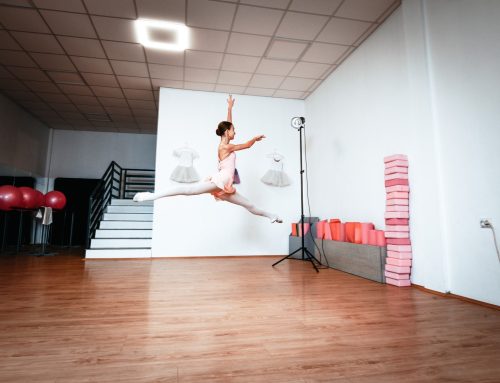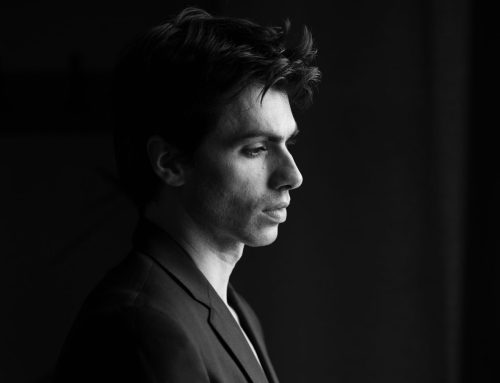
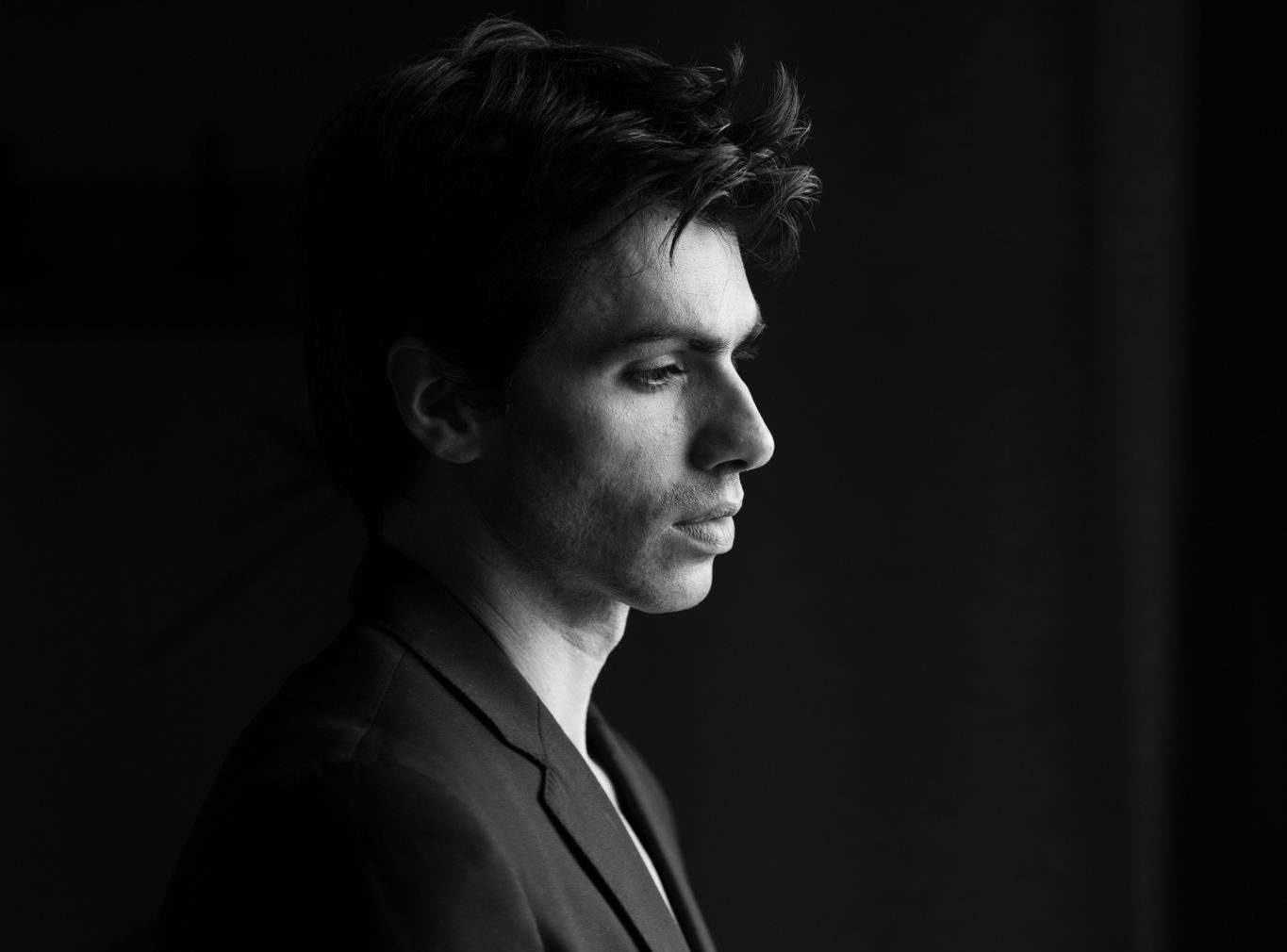
Two artists in transition meet to talk about the questions that arise when one chapter of a dancing life is ending and another is about to begin.
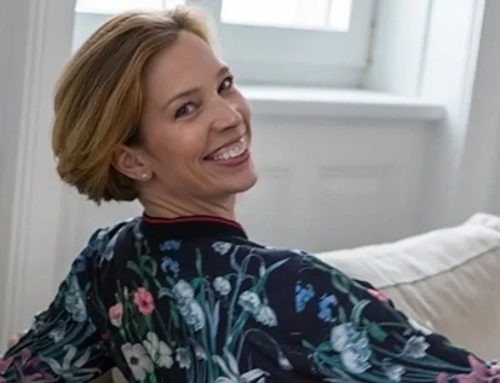
For the new episode of Panic in the Wings — the project that looks beyond the curtain to the parts of an artistic career audiences rarely see — we asked its host, Calo Failia, to do something different: talk to someone who is at the very beginning of his career.
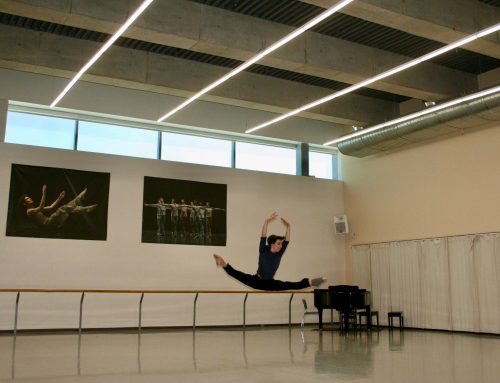
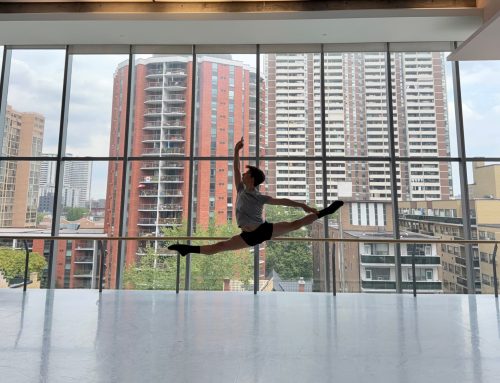
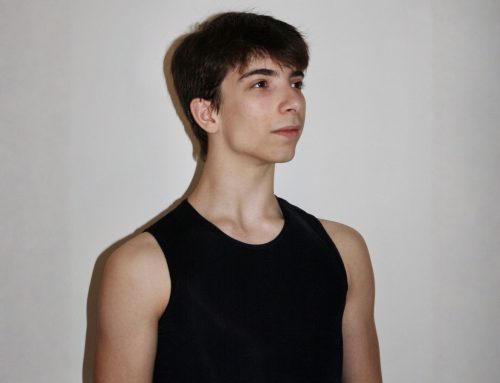
Calo chose Felipe Gonzalez, our 2026/27 Ballet Fellow, whom we supported on his journey to the Canada National Ballet summer intensive.
Two dancers. Two very different moments in an artistic life. And the same question: what comes next?
At 17, Felipe is preparing to make the leap from ballet school into professional life. His final year of training lies ahead, followed by auditions, the search for a first contract and the challenge of finding not simply a company, but a place where he can grow as both a dancer and a person.
Calo, Creative Fellowship’s Artist in Transition Fellow, is approaching transition from the other side. After years as a professional dancer, he is exploring what an artistic life can become beyond the familiar structures of a performing career.
For this episode of Panic in the Wings, the two meet somewhere between those points.
Their conversation touches on the parts of a dancing career that rarely make it onto the stage: the uncertainty of auditions, the pressure of comparison, the financial realities of the profession, changing identities and the decisions an artist faces when the next step is not yet clear.
What emerges is a conversation between two artists in transition, looking at the same profession from opposite ends of the journey — one asking how to enter it, the other reflecting on what years inside it have taught him.
Their positions are different, but many of the questions are surprisingly similar:
Where do I belong? What should I carry with me? What should I leave behind? And how do I keep developing without losing sight of who I am?
And that is where Panic in the Wings begins.
One small thing I would verify before publishing: in the interview transcript his name appears as Felipe/Filippe Meijueiro, while here you call him Felipe Gonzalez. I haven’t changed your current wording, but we should make sure which surname you want to use.
Calo: Let’s start at the beginning. How did ballet first come into your life, and what made you want to pursue it?
Felipe: I was a very active child. When I was three, my mother told me I needed to start doing something. I tried football, but that didn’t match me at all, so I did gymnastics for years.
Then COVID came, and afterwards I didn’t feel the same way about gymnastics. Ballet de Galicia opened, and all my friends were going there to do ballet, jazz and contemporary, so I decided to try it.
I actually loved it — except ballet! The first year was hell for me. It was so technical and so difficult.
Later, I worked with photographer Carlos Quezada, and he told me something that completely changed my mentality: “The ballet class is not ballet. It’s preparation for ballet.”
Since coming to Vienna, my love for ballet has just kept growing.
Calo: You’re going into your final year at ballet school. How does that feel, and what are you hoping for afterwards?
Felipe: I’m really excited to graduate. I just want to start working. School is obviously very important, but I want to start dancing in productions.
I’m also scared, of course, because getting your first contract is the first big step.
This year I want to correct some things, some bad habits, and improve technically. And afterwards, I’m not expecting to get the best contract in the world immediately. It’s my first step.
I’m hoping to find a company where I can grow as a person and as a dancer. Somewhere I can experiment, where I feel appreciated and comfortable, and where I can learn a lot.
I have my dreams, of course. But that’s really what I’m searching for.
Calo: Every dancer has people who shape them along the way. Who has had the strongest impact on you?
Felipe: A lot of people and a lot of teachers, but mostly my mother.
She’s such a motivation for me. It’s the way she works. She does everything in one day and somehow always has a smile on her face. She taught me not to complain, just to keep going, but also to find a happy life.
My father is very supportive too. I’m really, really lucky with my family.
And then, of course, there are teachers. My first real ballet teacher, Eric Pegueros, was very important. He really pushed me.
Calo: Panic in the Wings is about what happens backstage — the things an audience normally never gets the chance to see. From your experience so far, what is hidden behind the performance?
Felipe: Backstage is everything. I would say 90 per cent of the work is there and 10 per cent is onstage.
It’s the long rehearsals, the environment, the passion, but also the pressure you put on yourself. There’s pressure from teachers too, because of course they want you to do your best and to have more opportunities to be seen.
You can become really harsh on yourself. You feel stressed.
In the end, you have to find a balance so that you can enjoy the process. You spend so many hours rehearsing and working with partners and teachers. If you’re stressed about it all the time, it becomes very difficult to keep going.
Calo: If you could dance with any company in the world right now, which would you choose?
Felipe: I’m going to use this as a manifestation!
I have many dream companies, but if I had to choose one right now and the director suddenly came to me and said, “Do you want to come here?”, I would immediately say English National Ballet.
I love the repertoire. What I really like in a dancer is versatility, and there they dance classical, neoclassical and contemporary work. They tour a lot too.
It feels like a company where you are always a work in progress.
That’s what I love most about ballet: working with new choreographers, learning new steps, new ways of dancing, new techniques. The beauty of this art is being able to open yourself to everything you’re asked to do.