Research Notes on Monotony
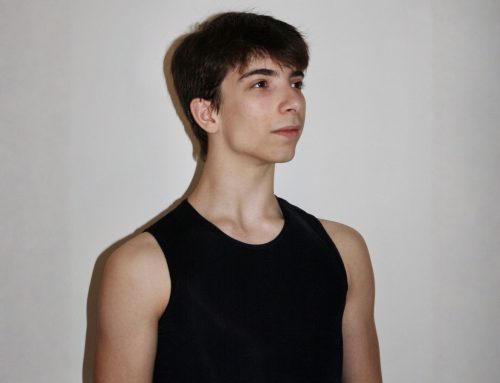
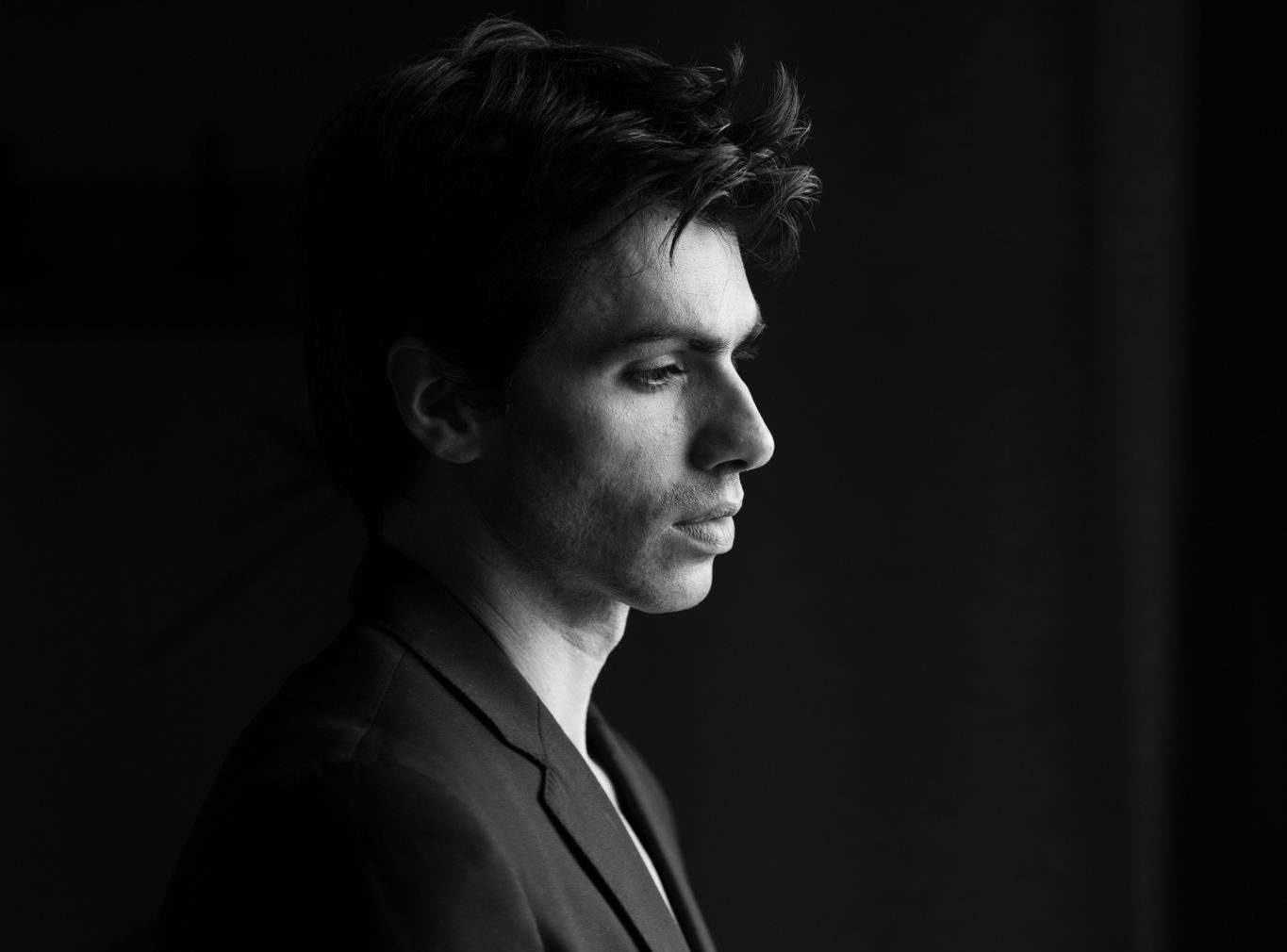
While researching future episodes of Panic in the Wings, Calo Failla began speaking with dancers about subjects rarely discussed. One topic surfaced again and again: monotony…
For young dancers entering the profession, monotony is often one of the least expected realities of artistic life. Behind performances, competitions, social media highlights, and stage glamour exists a daily structure built on repetition, discipline, and exhausting routine.
“How do we deal with artistic monotony?
Or maybe not artistic monotony… maybe daily monotony?”
During these conversations, one thought appeared again and again: monotony becomes dangerous when purpose disappears. Goals — artistic, technical, or deeply personal — are often what allow dancers to survive repetition without emotionally disconnecting from their craft.
Perhaps monotony is not the opposite of passion.
Perhaps it is the place where passion is tested.
Backstage life is often imagined as a world of constant intensity — premieres, applause, costumes, lights, adrenaline. But for most dancers, artistry is built somewhere far less visible: inside repetition.
Daily class.
The same barre.
The same corrections.
The same exercises repeated hundreds of times until they become instinct.
Behind every performance exists an invisible structure of routine that audiences rarely think about.
In his research, Calogero Failla reflects on one of the quietest and most difficult aspects of artistic life: monotony.
“We know that monotony is something that we have to deal with.”
Inside a ballet company, monotony does not only come from movement itself. It exists in schedules, expectations, physical exhaustion, and emotional pressure. Dancers return every morning to the studio knowing they will repeat combinations they have already done thousands of times before.
“Imagine one teacher speaking for a group of 25 people. We touch the barre every day in the same position. We have the pianist almost every day playing the same music.”
And yet, artists continue.
Not because repetition is inspiring on its own, but because meaning has to be created inside it.
For some dancers, survival comes through setting goals — new roles, technical growth, artistic ambitions, or simply the desire to become stronger than yesterday. Without those personal targets, routine can slowly become emotional stagnation.
“Everyone has to have a target. Without this objective, for sure, I would be down.”
The conversations also touched on another rarely discussed reality of stage life: chemistry. Partnership is essential in dance, but connection between people is never guaranteed. Dancers are expected to trust each other physically and emotionally while working under pressure, fatigue, and constant scrutiny.
Sometimes communication flows naturally.
Sometimes it does not.
Monotony, in this sense, is not only repetition of movement — it is the challenge of remaining emotionally open inside repetition.
What helps artists resist this emotional flattening is often surprisingly simple: colleagues, community, and small daily rituals.
Morning stretching.
Preparing the body before rehearsal.
Sharing frustrations with coworkers.
Feeling supported by people who understand the same exhaustion.
At the center of these conversations remained one recurring idea: passion must be protected intentionally.
For young dancers entering the profession today, the message was clear:
“The path is going to be long. The path is going to be tough. Don’t surrender. Follow what you like. Be yourself.”
Repetition guarantees excellence in performance.
No one walks onstage without exhausting rehearsals behind them.